Oct 15Source:Intelligent Browse: 0
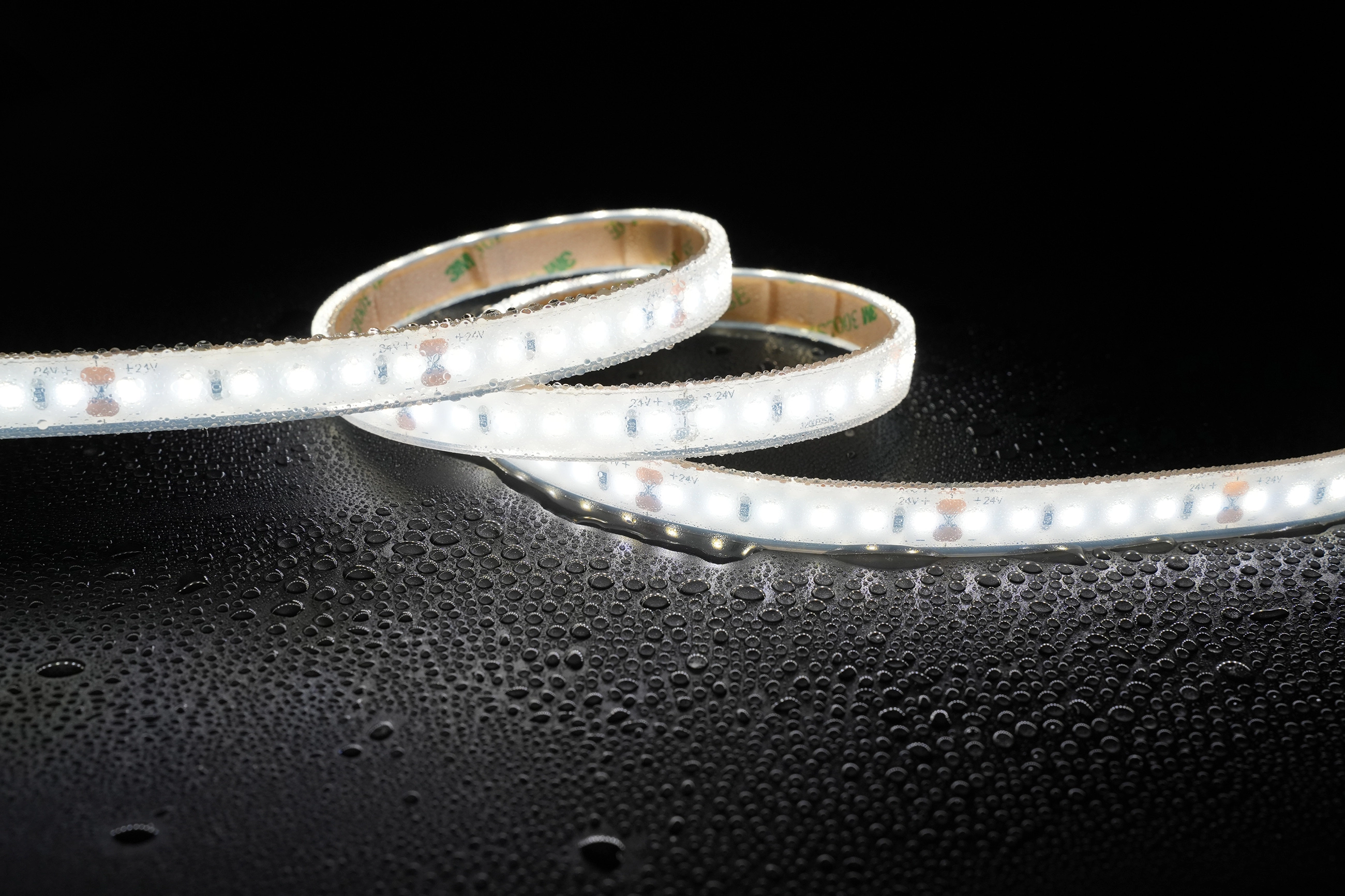
Flexible LED strip lighting has become a practical choice for architectural lighting, hospitality interiors, retail displays, landscape projects, and residential decoration. Its compact structure, adaptable installation, and wide range of lighting effects make it suitable for projects that require both visual consistency and reliable performance.
However, choosing a flexible LED strip manufacturer involves more than comparing product specifications. Different projects have different requirements for brightness, color consistency, waterproofing, installation space, and operating conditions. A manufacturer must be able to translate these requirements into a workable lighting solution and maintain consistent quality throughout production.
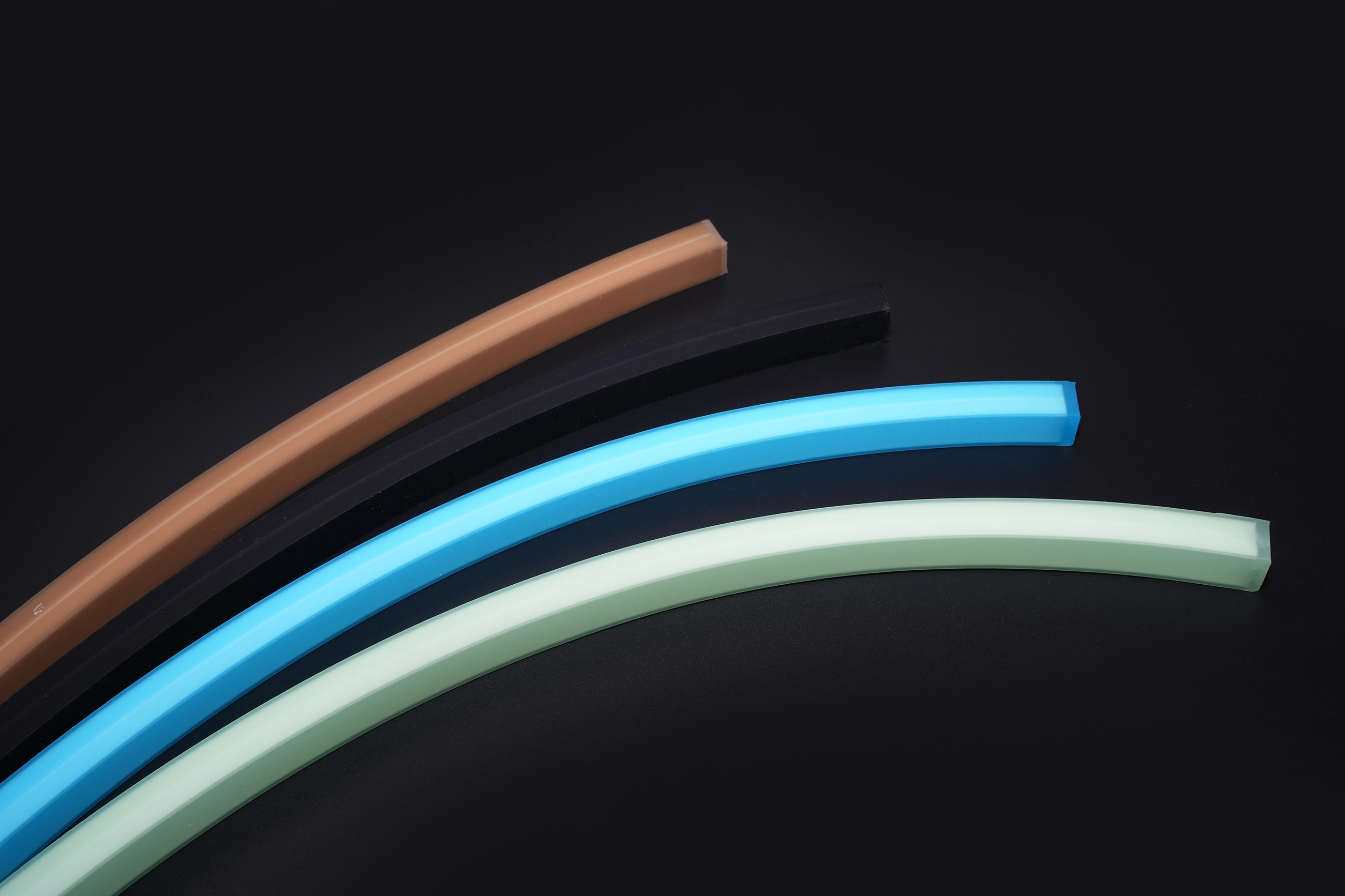
For lighting contractors, distributors, architects, and project developers, understanding what to evaluate before placing an order can help prevent installation problems and unnecessary rework. Here are seven practical factors to consider when selecting a manufacturer for a custom lighting project.
Before contacting a manufacturer, define how the LED strips will be used. A lighting solution designed for a hotel ceiling may not be suitable for an outdoor building facade or a landscape installation exposed to moisture.
Start by identifying the main technical requirements:
Lighting effect: Determine whether the project needs continuous linear illumination, accent lighting, decorative colors, or wall-washing effects.
Installation environment: Consider indoor use, outdoor exposure, humidity, dust, and temperature changes.
Physical dimensions: Confirm the available installation space, strip width, bending requirements, and cutting positions.
Electrical specifications: Establish the required voltage, power consumption, and compatibility with the planned power supply and control system.
Light quality: Specify color temperature, color rendering requirements, brightness, and acceptable color variation.
Protection requirements: Select an appropriate ingress protection rating based on the actual installation conditions.
A capable manufacturer should ask questions about these details instead of recommending a standard product immediately. This helps determine whether an existing product can meet the requirements or whether a customized solution is necessary.
For example, a hotel project may require warm, consistent lighting in ceiling coves, while an outdoor advertising installation may need stronger environmental protection and a structure suited to long operating hours.
Not every flexible LED strip manufacturer offers the same level of customization. Some focus on standard LED strips, while others develop specialized products for demanding architectural and commercial applications.
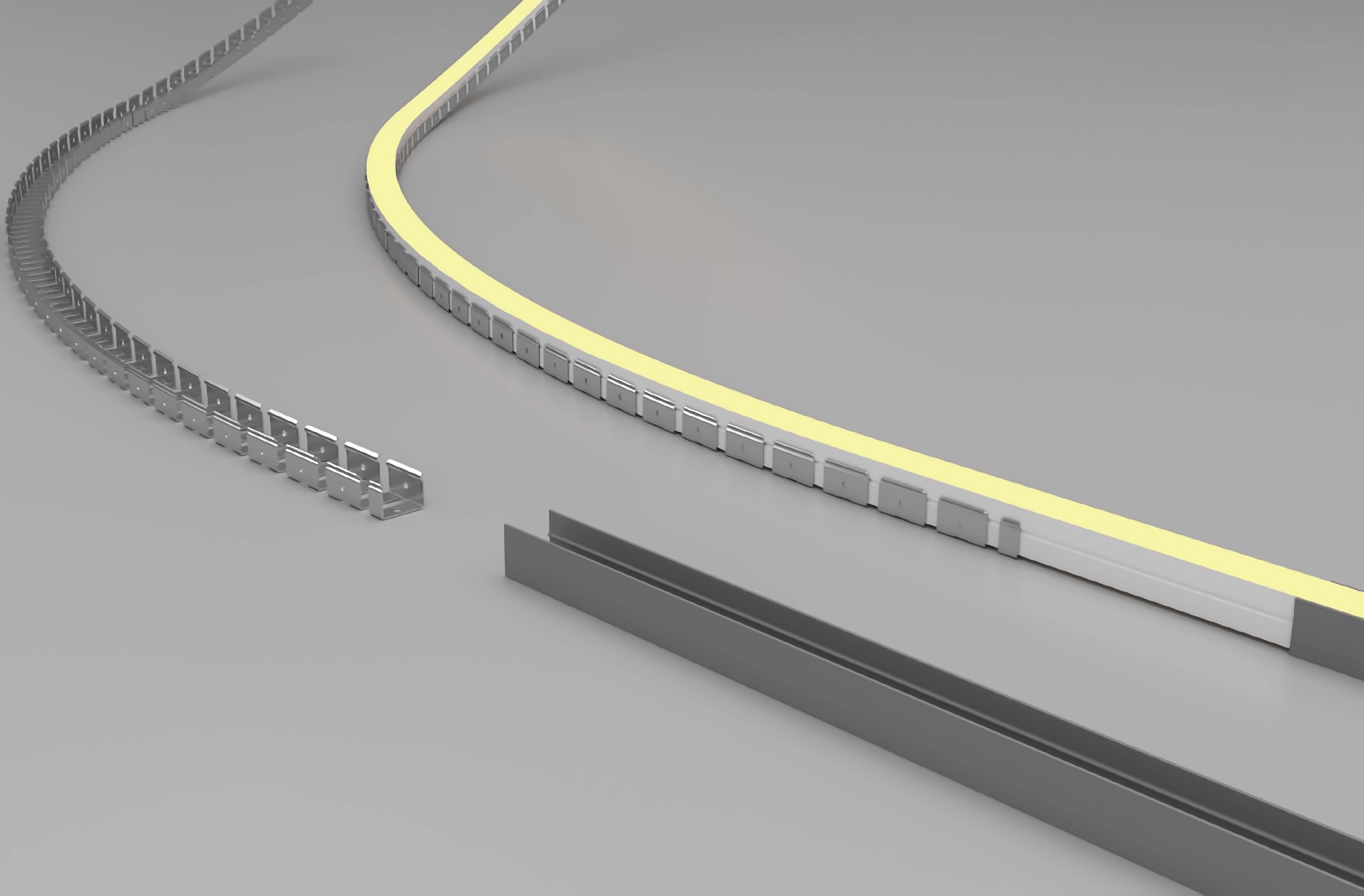
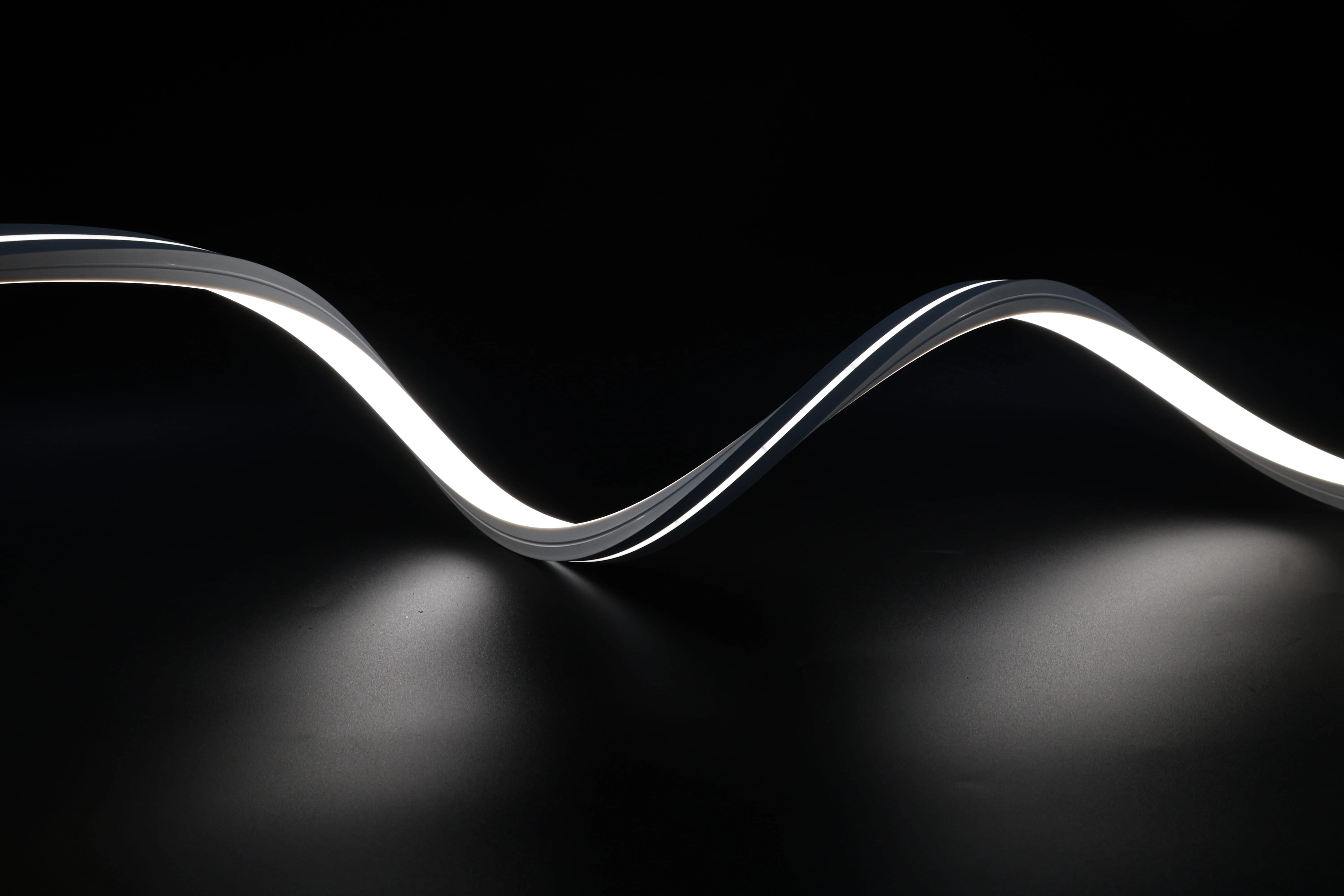
Look for a manufacturer that can support different lighting structures, installation methods, and environmental conditions. Depending on the project, relevant products may include conventional flexible LED strips, LED neon flex, flexible LED wall washers, and aluminum linear lighting systems.
Each product serves a different purpose. Standard LED strips are useful for concealed lighting and decorative accents. LED neon flex can provide a continuous illuminated appearance for signage and architectural outlines. Flexible wall washers are designed for applications requiring light distribution across vertical surfaces. Aluminum linear lighting systems can help organize the installation and provide a more finished appearance.
Quanhe Lighting Co., Ltd. was established in 2015 and specializes in high-end linear lighting products. Its product portfolio includes flexible LED strips, LED neon flex, flexible LED wall washers, and aluminum linear lighting solutions.
For projects that require a tailored configuration, working with a manufacturer offering a broader range of linear lighting products can simplify product selection and coordination.
You can explore different flexible LED strip lighting solutions to identify product options that may suit your project's installation conditions and design requirements.
When discussing customization, ask whether the manufacturer can adjust product dimensions, lighting specifications, materials, waterproof structures, or other relevant features. Also clarify which modifications are technically feasible and which require additional development or testing.
Custom lighting projects sometimes involve requirements that standard products cannot fully address. Examples include unusual installation spaces, demanding bending conditions, specialized optical effects, and environmental protection requirements.
In these situations, research and development capabilities can make a meaningful difference.
A manufacturer with an established R&D team is better positioned to evaluate technical challenges, improve product structures, and develop solutions based on actual application needs. However, R&D claims should be supported by specific information rather than general statements about innovation.
Consider asking the manufacturer:
Does it have an in-house engineering and product development team?
Can it provide technical drawings and product specifications?
Does it evaluate prototypes before moving to mass production?
Can it explain the limitations of a proposed customization?
How are design changes documented and approved?
Quanhe Lighting invests in research and development, with R&D personnel accounting for approximately 15% of its workforce and annual R&D expenditure exceeding 8%. The company has also applied for more than 20 patents and maintains independent control over its core technologies.
These capabilities support its focus on developing high-end linear lighting products and improving lighting technology, waterproofing structures, and material performance.
For buyers, the practical question is whether this technical experience can be applied to the specific project. Request a sample or prototype when the application involves nonstandard specifications or demanding installation conditions.
Product quality affects far more than the appearance of an LED strip. Inconsistent components, weak solder joints, inadequate sealing, or unstable performance can result in premature failure and difficult maintenance after installation.
A reliable manufacturer should have a documented quality management process covering incoming materials, production, final inspection, and product traceability.
When evaluating a supplier, look for the following quality control measures.
Incoming material inspection
LED chips, circuit boards, wires, connectors, encapsulation materials, and other components should be checked against defined specifications. Consistent materials help reduce variations between production batches.
In-process quality control
Important manufacturing stages should be monitored, including soldering, assembly, sealing, and waterproofing. Where applicable, aging tests and electrical checks can help identify defects before products are shipped.
Final inspection
Finished LED strips should be checked against the agreed specifications. Depending on the product and application, inspections may cover electrical performance, lighting consistency, appearance, and waterproof integrity.
Batch traceability
Manufacturers should be able to trace production batches and relevant material records. This makes it easier to investigate problems and identify affected products if an issue occurs.
Quanhe Lighting implements quality control throughout its production chain in accordance with ISO 9001 requirements. Its stated testing procedures include salt spray testing, temperature cycling, repeated drop testing, and IP68 immersion testing.
Not every test applies to every LED strip model. Buyers should therefore confirm which tests are relevant to the selected product and request corresponding reports where necessary. An IP68 rating, for instance, should be verified for the specific product configuration and intended installation conditions rather than assumed across an entire product range.
A product that performs well in a sample test may encounter different conditions after installation. The surrounding materials, ventilation, power supply, mounting method, and operating schedule can all affect lighting performance.
For indoor applications, check whether the strip provides the required brightness, color temperature, and visual consistency. If the lighting is installed in a narrow aluminum profile, confirm that the complete assembly can manage heat effectively.
For outdoor applications, review the sealing method, connector protection, UV exposure, temperature range, and installation details. Even a well-protected LED strip can experience problems if water enters through an unsuitable connector or an improperly sealed end cap.
For architectural wall washing, examine the beam distribution, mounting distance, and optical requirements. A product that looks uniform when viewed directly may create visible bright spots or uneven illumination on a wall.
A practical evaluation process should include:
Testing samples in the intended mounting position.
Checking the lighting effect at the actual viewing distance.
Verifying compatibility with the planned power supply and controller.
Reviewing waterproofing and thermal requirements.
Confirming installation accessories and connection methods.
For projects with demanding environmental conditions, request product-specific test documentation and installation guidance before approving the final specification.
A manufacturer may produce an excellent sample but still struggle to maintain the same quality across a large order. This is particularly important for hotel developments, commercial buildings, and multi-location projects where lighting products are installed in stages.
Ask how the manufacturer manages production scheduling, batch consistency, and order inspection. It is also useful to understand whether the company can maintain the approved product specification throughout repeat orders.
Before production begins, confirm the following details:
Final product drawings and technical specifications.
Approved samples and reference color requirements.
Required connectors, accessories, and installation components.
Packaging and product identification.
Production and delivery milestones.
Procedures for reporting defects or specification deviations.
Standardized production lines and documented inspection procedures can help reduce variation between batches. Quanhe Lighting emphasizes standardized manufacturing, strict quality control, and efficient production to support customized linear lighting solutions.
For a large project, request confirmation of the production schedule and inspection arrangements in writing. If the installation will take place across several locations, discuss batch labeling and the availability of matching products for future maintenance.
These steps help make procurement more predictable and reduce the risk of receiving products that differ from the approved sample.
The relationship with a flexible LED strip manufacturer should not end when the shipment leaves the factory. Technical questions can arise during installation, commissioning, and later maintenance.
A responsive manufacturer should be able to provide product documentation, connection guidance, installation recommendations, and assistance with troubleshooting. For customized projects, it should also maintain clear records of the approved configuration.
Before choosing a supplier, ask who will handle technical questions and how product issues are investigated. Confirm whether replacement components, compatible accessories, and technical records can be identified when needed.
Quanhe Lighting places emphasis on product innovation, quality, and professional service. Its experience across hospitality, museums, outdoor advertising, building facades, landscape lighting, mining, and residential decoration provides context for evaluating different linear lighting applications.
When considering this experience, focus on projects with requirements similar to your own. A manufacturer familiar with outdoor architectural lighting, for example, may understand environmental protection and installation challenges that differ from those of an indoor decorative lighting project.
Clear communication, realistic technical recommendations, and consistent follow-up are valuable indicators of a supplier that can support long-term cooperation.
Choosing a flexible LED strip manufacturer for a custom lighting project requires a balanced evaluation of technical capabilities, product customization, quality control, environmental performance, production consistency, and after-sales support.
Start with a clear project specification, verify the manufacturer's ability to meet it, and test samples in realistic installation conditions. Review product-specific documentation rather than relying on general claims, and confirm the approved details before mass production.
Quanhe Lighting Co., Ltd. combines a specialized linear lighting product portfolio with ongoing R&D, standardized manufacturing, and quality control throughout the production process. For buyers seeking customized LED strip and linear lighting solutions, these are relevant factors to consider when assessing a potential manufacturing partner.
Ultimately, the right manufacturer is one that understands your installation requirements, communicates technical limitations clearly, and delivers products that perform consistently in the environment for which they were designed.
Please provide the following detailed information so that our business representatives can better understand your needs and get in touch with you as soon as possible.


 EN
EN
 English