Oct 13Source:Intelligent Browse: 0
Choosing a reliable LED strip light supplier is an important decision for lighting distributors, contractors, wholesalers, and project developers. The right supplier can help you maintain consistent product quality, meet project requirements, and avoid delays during installation. On the other hand, a supplier with limited technical capabilities or inconsistent quality control can create problems that are difficult to fix once the lights have been installed.
With so many manufacturers and suppliers in the market, comparing product specifications alone is not enough. You also need to evaluate manufacturing capabilities, quality assurance, customization options, communication, and long-term technical support.
This guide explains what to look for when selecting an LED strip light supplier and how to determine whether a manufacturer can meet your business needs.
The first step is to understand whether a supplier has the experience and production capabilities required for your projects. Some companies primarily resell products from other factories, while others develop and manufacture their own lighting solutions.
Neither business model is automatically unsuitable, but a manufacturer with in-house technical expertise may offer better control over product development, production processes, and customization.
When evaluating a potential supplier, consider the following questions:
How long has the company been involved in LED lighting manufacturing?
Does it operate its own production facilities?
Can it provide technical documentation and product samples?
Does it have experience with applications similar to yours?
Can it support repeat orders with consistent specifications?
For example, a supplier serving residential decoration projects may not have the experience needed for outdoor architectural lighting, where waterproofing, temperature changes, and long operating hours are important considerations.
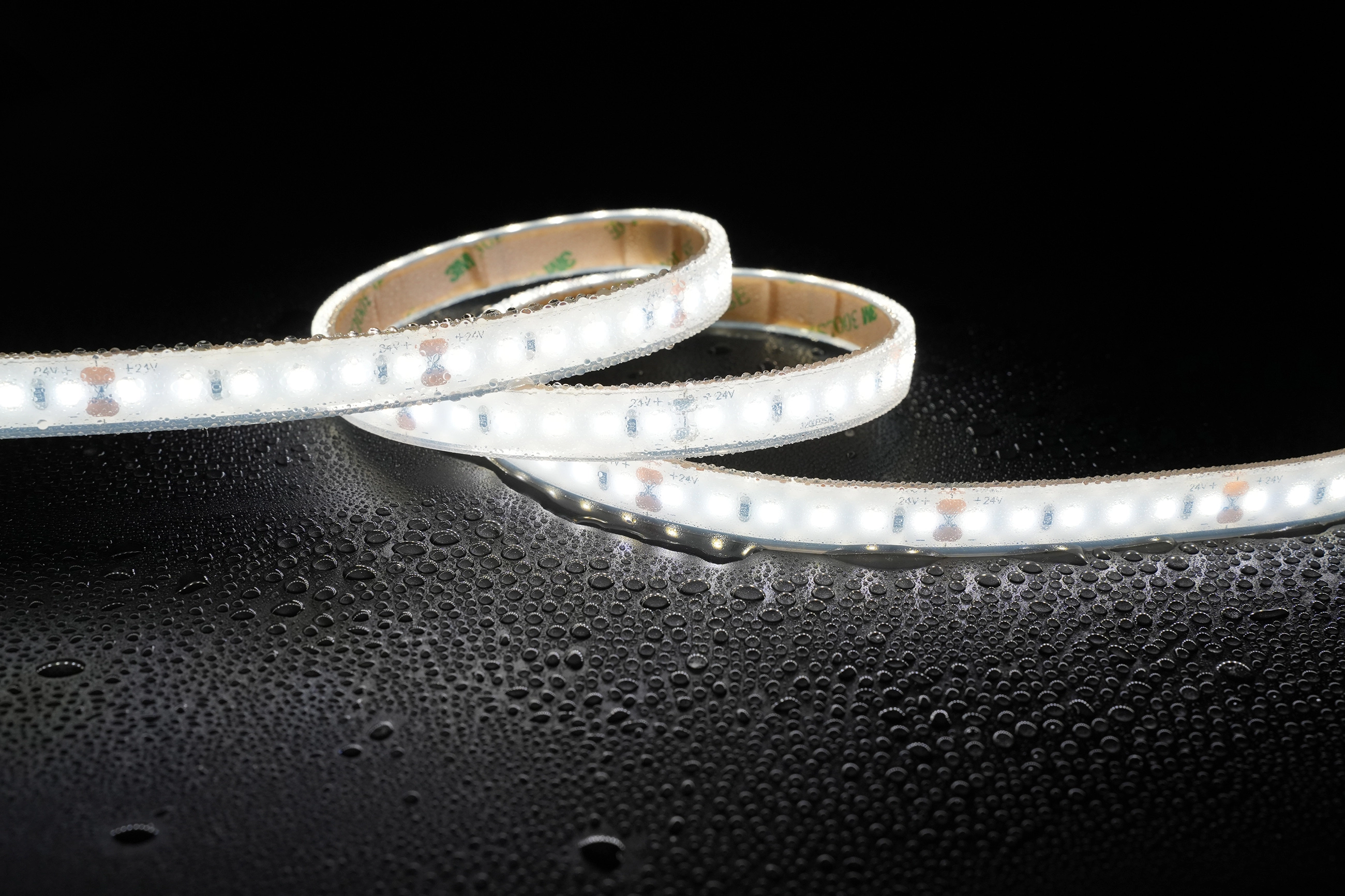
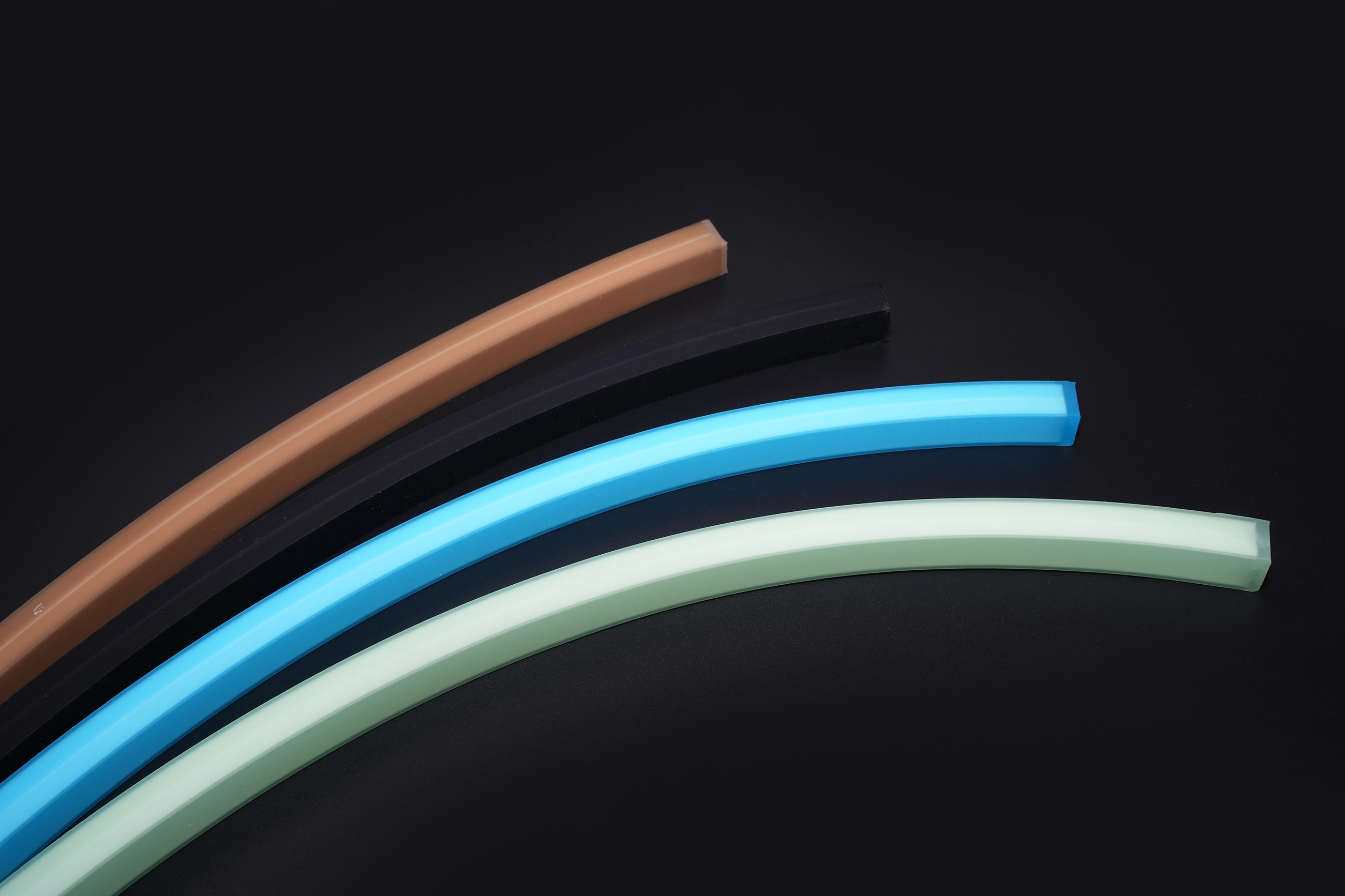
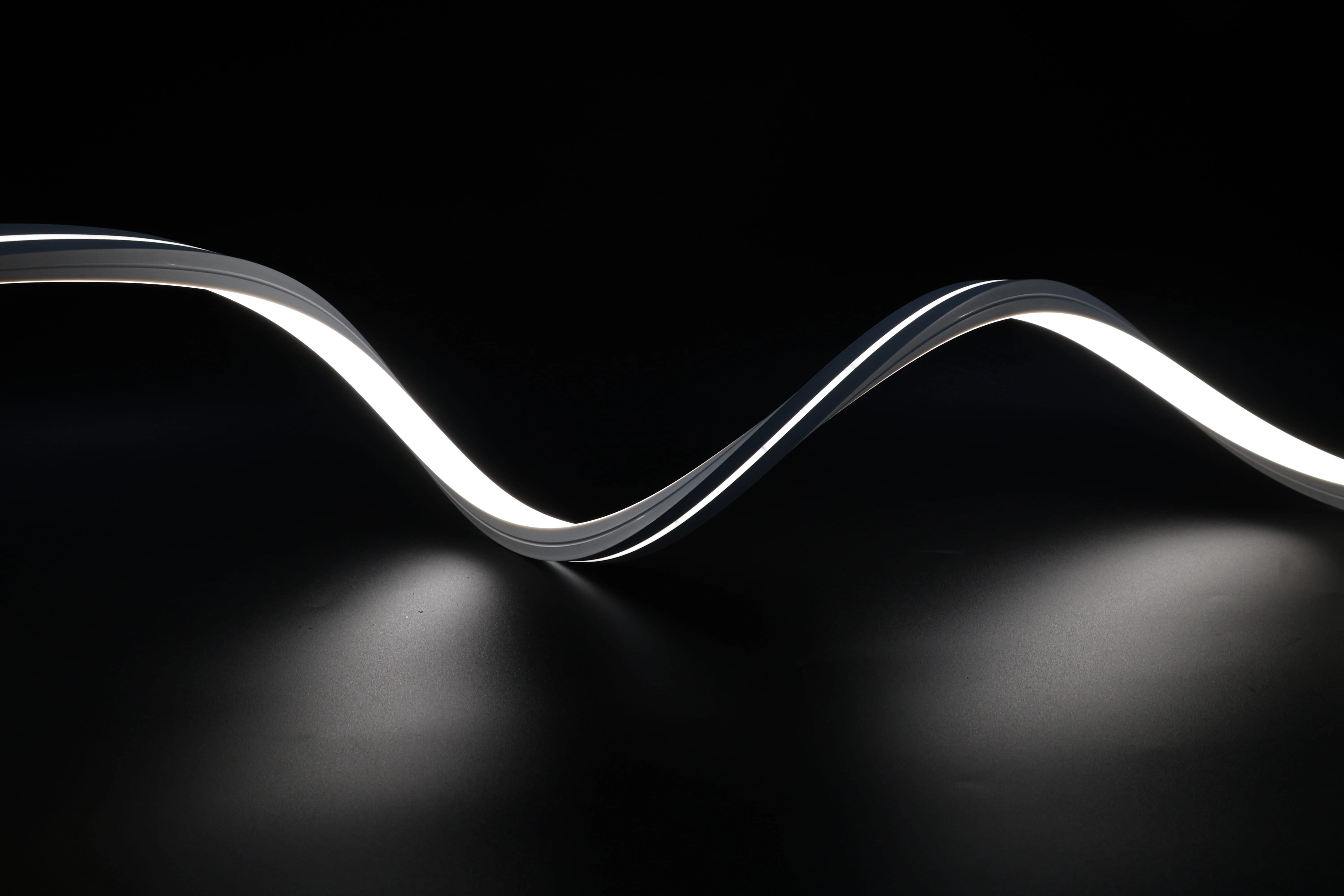
Quanhe Lighting Co., Ltd. was established in 2015 and specializes in high-end linear lighting products. Its product portfolio includes flexible LED strip lights, LED neon flex, flexible LED wall washers, and aluminum linear lighting solutions. The company focuses on research, development, manufacturing, and sales, making manufacturing experience and product development important parts of its business.
When reviewing a supplier like Quanhe Lighting, buyers should match its product capabilities to their actual project requirements rather than relying on company history alone.
Product specifications are essential, but they do not tell the whole story. Two LED strip lights may have similar power consumption, color temperature, and brightness ratings while performing differently after months of operation.
A reliable supplier should be able to explain how its products are designed, manufactured, and tested.
Pay attention to these key factors:
LED consistency: Check whether the light output and color remain consistent across the strip and between production batches. In commercial interiors, noticeable color differences can affect the overall appearance of a project.
PCB quality: The printed circuit board affects electrical performance, heat dissipation, and flexibility. Its material, copper thickness, and construction should be appropriate for the intended application.
Thermal management: Excessive heat can accelerate LED degradation and shorten product life. Ask how the supplier addresses heat dissipation and what installation conditions are required.
Materials and construction: Inspect solder joints, protective coatings, connectors, and the flexibility of the strip. These details can influence reliability during installation and everyday use.
Electrical stability: Confirm that the product is compatible with the intended power supply and control system. Voltage drop, wiring length, and operating conditions should be considered when planning longer installations.
Ask for samples and test them under realistic operating conditions. For larger projects, compare samples from different batches when possible. This provides a more practical picture of product consistency than a specification sheet alone.
A dependable LED strip light supplier should have a documented quality management process, not just a final visual inspection before shipment.
Ideally, quality control should cover incoming materials, manufacturing operations, and finished products.
At the incoming inspection stage, the supplier should check critical components and materials before they enter production. During manufacturing, key processes such as soldering, waterproofing, assembly, and aging should be monitored. Finished products should then undergo appropriate inspections and functional tests.
For outdoor or demanding applications, ask whether the supplier performs relevant environmental and durability tests, such as:
IP protection testing for resistance to water and dust.
Temperature cycling to evaluate performance under changing temperatures.
Salt spray testing for products exposed to corrosive environments.
Mechanical drop or impact testing where applicable.
Aging tests to identify early product failures.
The tests required will depend on the product design and its intended use. For instance, an IP68 rating should not be treated as a universal guarantee of suitability for every underwater installation. The actual test conditions, product construction, cable connections, and installation requirements also matter.
Quanhe Lighting emphasizes quality control throughout its production chain, including incoming material inspection, process monitoring, reliability testing, and batch traceability. The company reports using ISO 9001-aligned quality management practices and conducting tests such as salt spray, temperature cycling, repeated drop testing, and IP68 immersion testing.
For buyers, the practical next step is to request relevant test reports, clarify the conditions under which testing was performed, and confirm that the tested product matches the model being purchased.
Standard LED strip lights are suitable for many projects, but commercial and architectural applications often require specific dimensions, lighting effects, protection levels, or installation methods.
A capable supplier should be able to discuss technical requirements and recommend an appropriate product configuration.
For example, a hotel project may require warm, uniform lighting in concealed ceiling details. A museum may need carefully controlled light output and color consistency. An outdoor facade project may require flexible wall washers, weather-resistant construction, and a suitable mounting system.
Before selecting a supplier, find out whether it can support:
Different color temperatures and lighting effects.
Custom strip dimensions or cutting intervals where technically feasible.
Waterproof designs for specific environments.
Compatible dimming and lighting control systems.
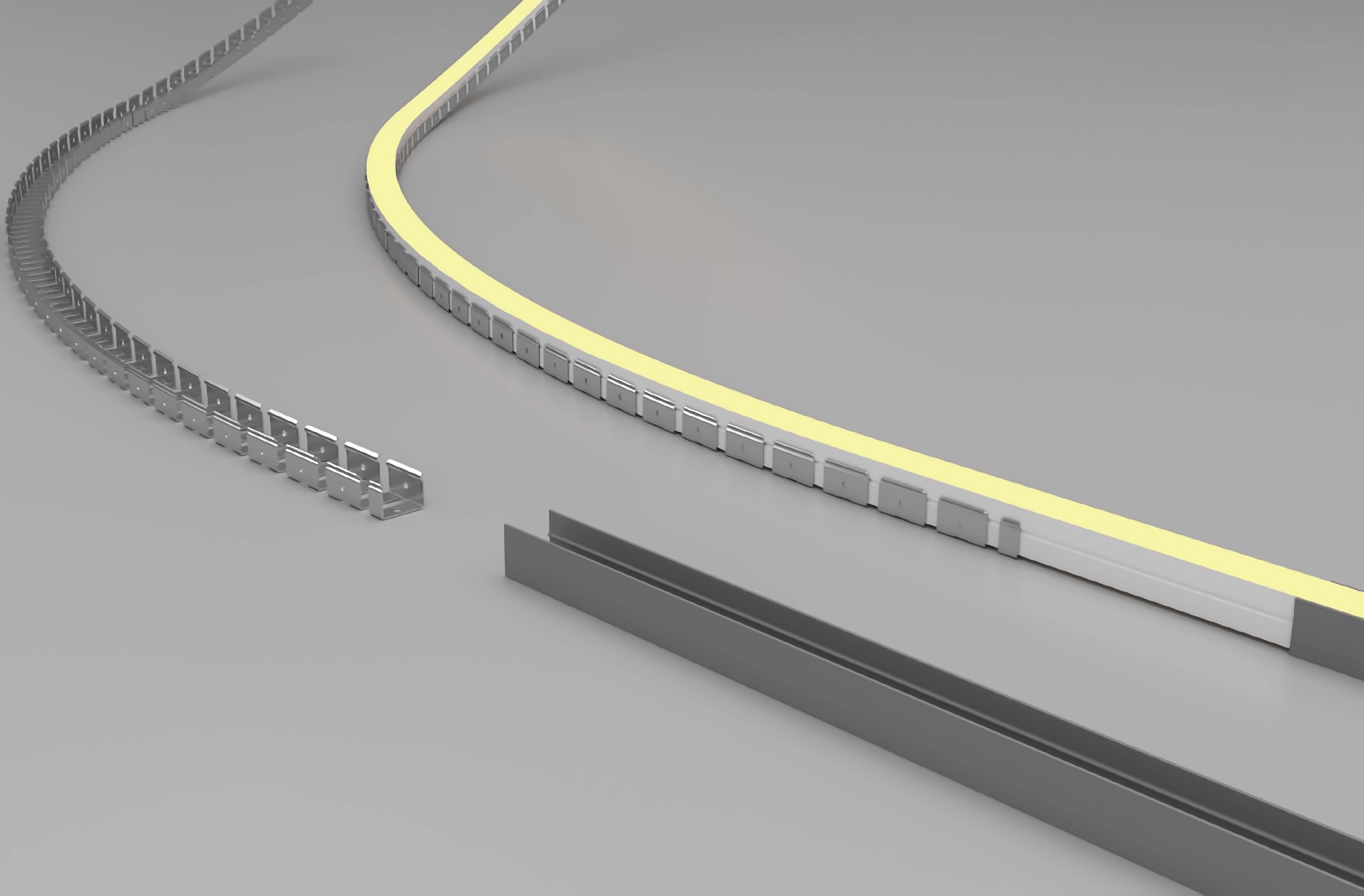
Aluminum profiles and related linear lighting accessories.
Project-specific product development and sample evaluation.
Customization should be supported by clear technical communication. Ask the supplier to confirm the requested specifications in writing and explain which requirements can be met with existing products and which need engineering changes.
Research and development capabilities can also indicate whether a supplier is prepared to improve products as project requirements evolve.
Quanhe Lighting reports that R&D personnel account for approximately 15% of its workforce, with annual R&D investment exceeding 8%. The company also reports having applied for more than 20 patents. These figures indicate an emphasis on product development, although buyers should still evaluate the relevance of the company's technical capabilities to their specific applications.
A reliable supplier should not recommend the same LED strip for every project. The operating environment has a direct effect on product selection and installation requirements.
For indoor residential projects, appearance, color consistency, dimming compatibility, and ease of installation may be the main priorities.
For hotels and commercial buildings, stable light output, maintenance access, and consistent color across multiple areas become more important.
For outdoor advertising and architectural facades, buyers should pay closer attention to water ingress protection, UV exposure, temperature fluctuations, mounting methods, and cable connections.
For landscape lighting, the supplier should clarify whether the product is suitable for direct outdoor exposure, ground-level installation, or other specific conditions.
Mining and other demanding industrial environments may require additional consideration of mechanical protection, temperature, dust, moisture, and applicable safety requirements. Ordinary decorative LED strips should not be assumed suitable for hazardous or industrial locations without the necessary assessment and certifications.
When discussing a project with a supplier, provide as much practical information as possible, including installation location, operating hours, ambient temperature, required light output, control method, and expected maintenance conditions.
This allows the supplier to recommend a product based on actual requirements instead of simply offering the nearest standard model.
Product quality is only one part of supplier performance. A manufacturer must also be able to deliver the required quantities on schedule.
This is particularly important for distributors managing inventory and contractors working against fixed installation deadlines.
Ask potential suppliers about their standard lead times, production scheduling, sample approval process, and ability to handle repeat orders. For customized products, clarify whether special materials or components could affect the delivery schedule.
It is also worth understanding how the supplier handles urgent orders, manufacturing defects, and requests for replacement products.
A professional supplier should communicate production progress clearly and notify customers when a technical issue or material shortage may affect delivery.
For long-term cooperation, consistency matters more than a single successful shipment. Confirm that product specifications, packaging, labeling, and inspection requirements can be maintained across future orders.
Good communication can prevent many problems before production begins.
A supplier should be able to answer technical questions directly, provide understandable documentation, and explain limitations when a requested configuration is not practical.
During the initial evaluation, pay attention to how the company responds to questions about voltage, power consumption, cutting points, installation accessories, waterproofing, and compatibility with controllers or power supplies.
Be cautious if a supplier provides vague answers, avoids sharing relevant technical information, or makes performance promises without supporting documentation.
After-sales support is equally important. Before placing an order, clarify the warranty terms, claim procedure, troubleshooting process, and information required to investigate a product issue.
Batch traceability is particularly useful because it helps connect a reported problem with the relevant production records and materials.
For businesses sourcing LED strip lights for recurring projects, a supplier that can provide consistent technical support may be more valuable than one that simply processes orders quickly.
Once you have shortlisted several candidates, use the same evaluation criteria for each one. This makes comparisons more objective and helps prevent purchasing decisions based solely on product appearance or marketing claims.
Consider using the following checklist:
| Evaluation factor | What to verify |
|---|---|
| Manufacturing experience | Relevant production history and application expertise |
| Product quality | Samples, technical specifications, and consistency |
| Quality management | Inspection procedures, test reports, and traceability |
| R&D capabilities | Engineering support and customization options |
| Application suitability | Environmental protection and installation requirements |
| Production capacity | Lead times and repeat-order consistency |
| Communication | Technical responsiveness and documentation |
| After-sales service | Warranty terms and problem-resolution procedures |
For critical projects, request a sample, conduct an installation trial, and approve the final technical specifications before mass production. Keep a record of the approved model, electrical parameters, color requirements, accessories, and testing conditions.
This process helps reduce misunderstandings between purchasing teams, suppliers, installers, and end customers.
For businesses seeking high-end linear lighting products, Quanhe Lighting Co., Ltd. offers a portfolio covering flexible LED strip lights, LED neon flex, flexible LED wall washers, and aluminum linear lighting solutions.
Established in 2015, the company serves a range of applications, including hotels, museums, outdoor advertising, architectural facades, landscape lighting, mining-related environments, and residential decoration.
Its stated priorities include continuous innovation, product quality, and customer service. The company also emphasizes standardized production, reliability testing, material development, and customization.
These capabilities may be relevant to lighting distributors, contractors, and project developers who need more than a standard strip light. However, the best way to assess suitability is to share your project specifications, review the recommended products, and verify the applicable technical documents.
If you are comparing manufacturers for an upcoming project, visit Quanhe Lighting's official website to explore its lighting solutions and identify products that match your application.
Choosing a reliable LED strip light supplier requires more than comparing specifications. You need to evaluate manufacturing experience, product consistency, quality control, technical expertise, environmental suitability, production capacity, and after-sales support.
Start by defining your project requirements. Then request samples, review relevant test reports, confirm customization capabilities, and document the specifications before placing a production order.
A supplier that understands your application and can maintain consistent quality over time can help your business reduce installation problems, manage project risks, and build stronger customer relationships.
For distributors and project buyers, the goal is not simply to find an LED strip light manufacturer. It is to establish a dependable supply relationship that supports the performance and reliability of every lighting project.
Please provide the following detailed information so that our business representatives can better understand your needs and get in touch with you as soon as possible.


 EN
EN
 English