Oct 12Source:Intelligent Browse: 1
Choosing the right LED strip light manufacturer is an important step in any lighting project. Whether you are designing hotel interiors, illuminating architectural facades, upgrading residential spaces, or creating outdoor landscape lighting, the quality of your LED strips directly affects the final result. A reliable manufacturer can help you select suitable products, avoid installation problems, maintain consistent lighting performance, and meet project requirements.
However, not every manufacturer offers the same level of technical expertise, quality control, or customization. Some focus on standard LED strips, while others develop specialized solutions for demanding applications, including waterproof installations, flexible architectural lighting, and linear lighting systems.
So, how do you choose the right supplier? The following factors can help you evaluate manufacturers and make a practical decision for your project.
Before contacting a supplier, identify the type of lighting your project requires. Different applications call for different LED strip designs, protection levels, and installation methods.
For example, interior cabinets and decorative ceilings may require flexible LED strips with uniform illumination. Hotels and commercial buildings often need linear lighting that creates a clean, continuous appearance. Outdoor signs, building facades, and landscape installations require products designed to withstand environmental conditions.
A capable manufacturer should offer products that match these different requirements, such as:
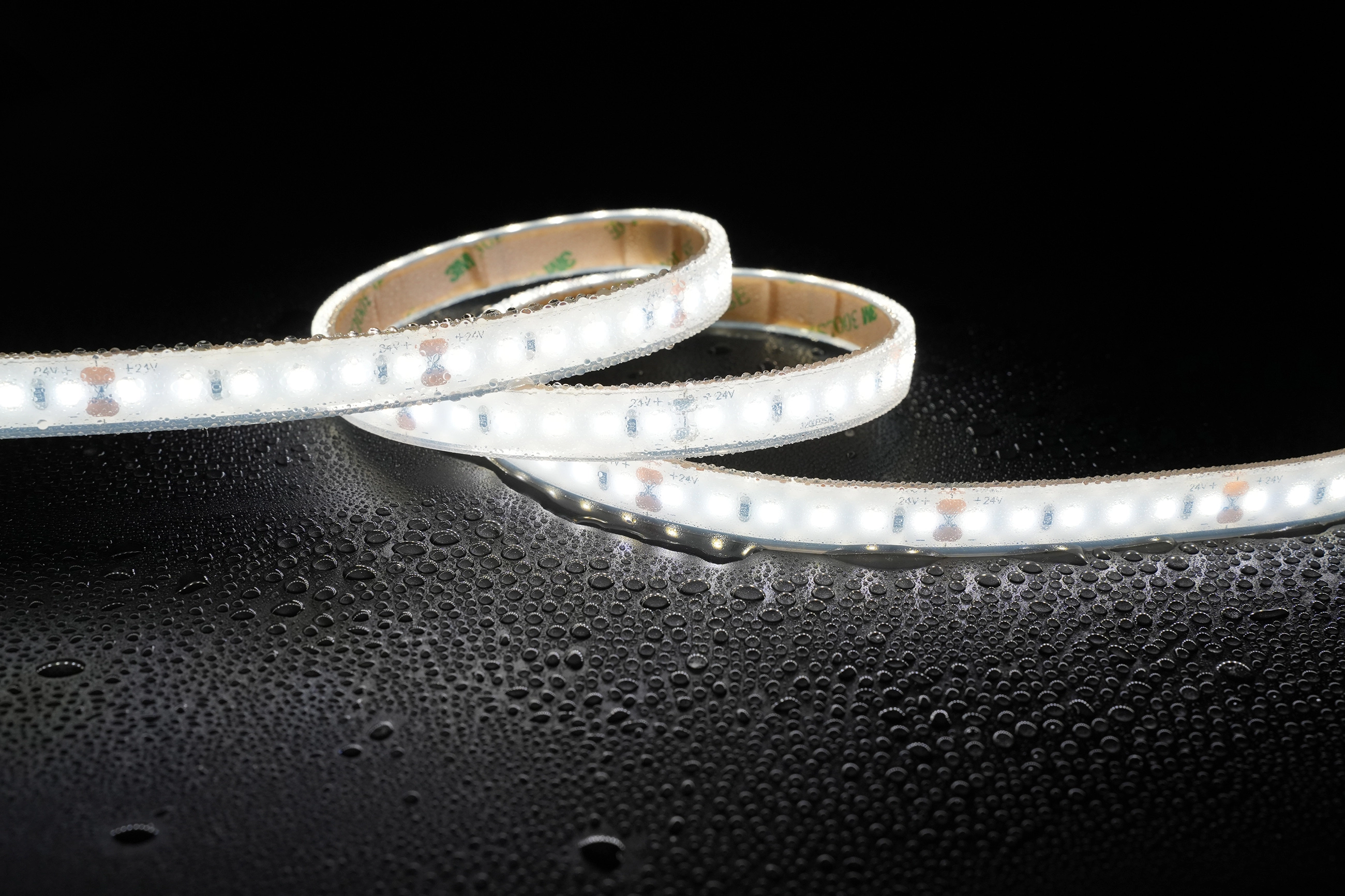
Flexible LED strip lights: Suitable for cove lighting, cabinets, furniture, display areas, and decorative installations.
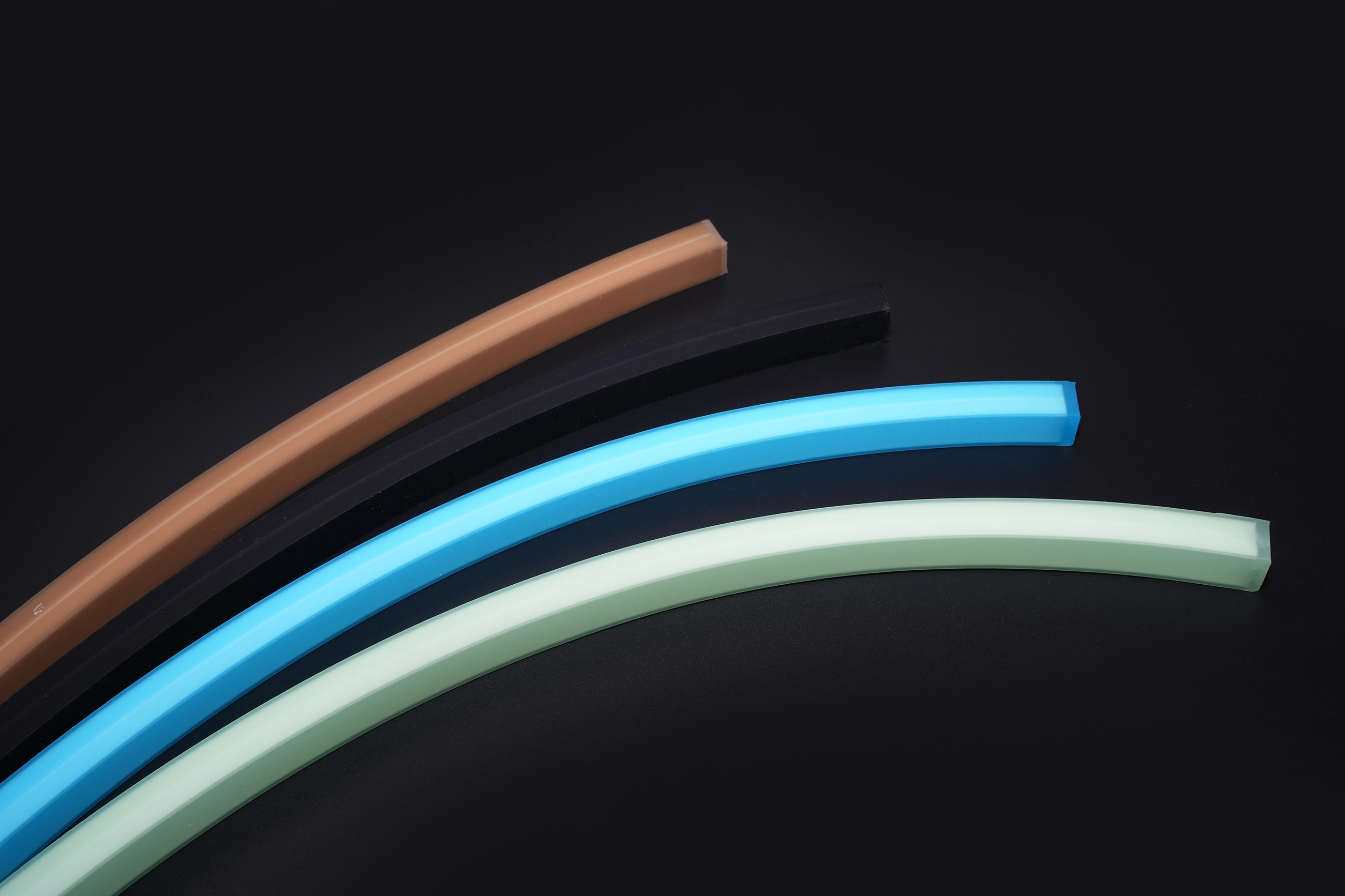
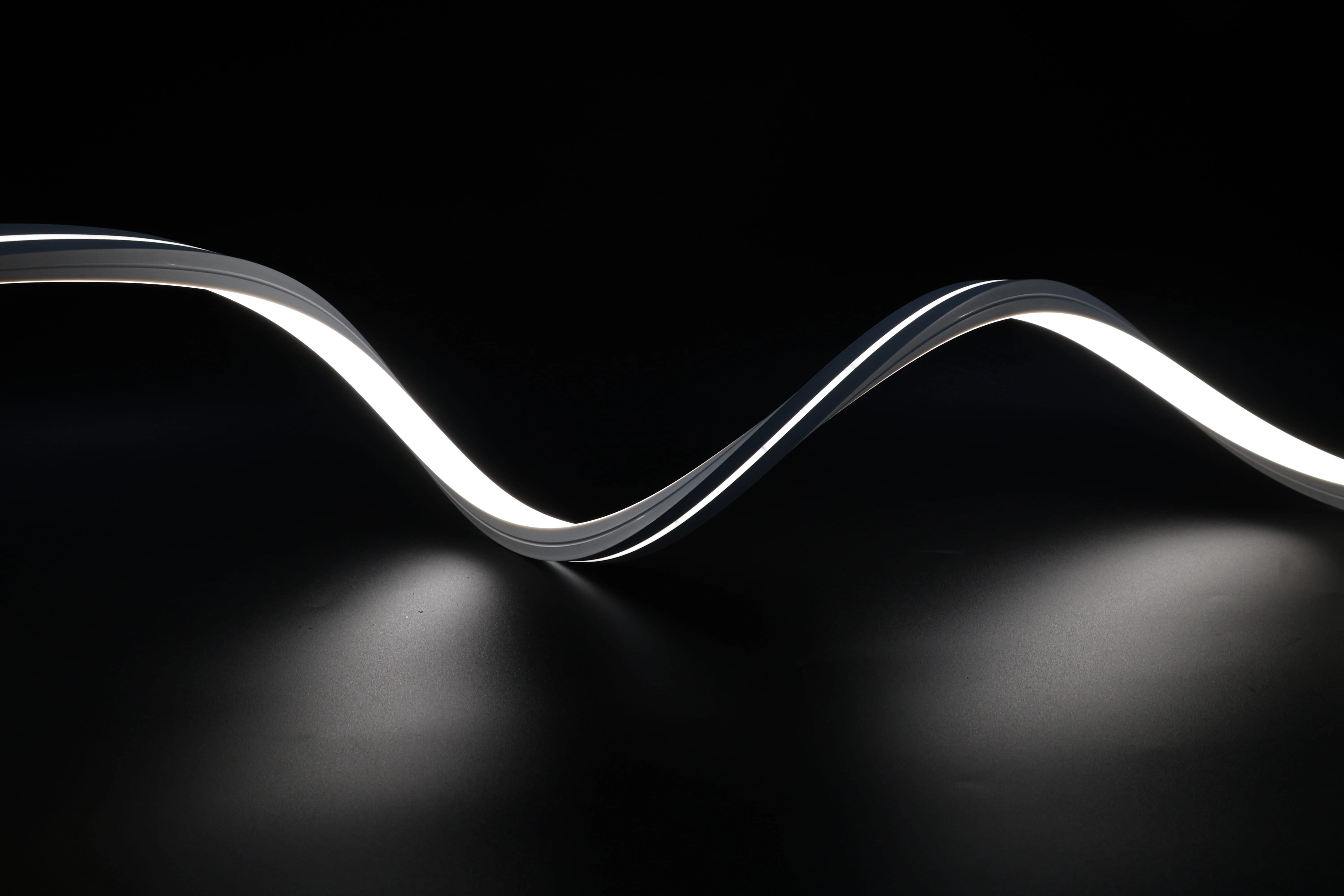
LED neon flex strips: Designed for continuous lines of light in signage, architectural outlines, and decorative features.
Flexible LED wall washers: Used to illuminate building facades, walls, and selected architectural surfaces.
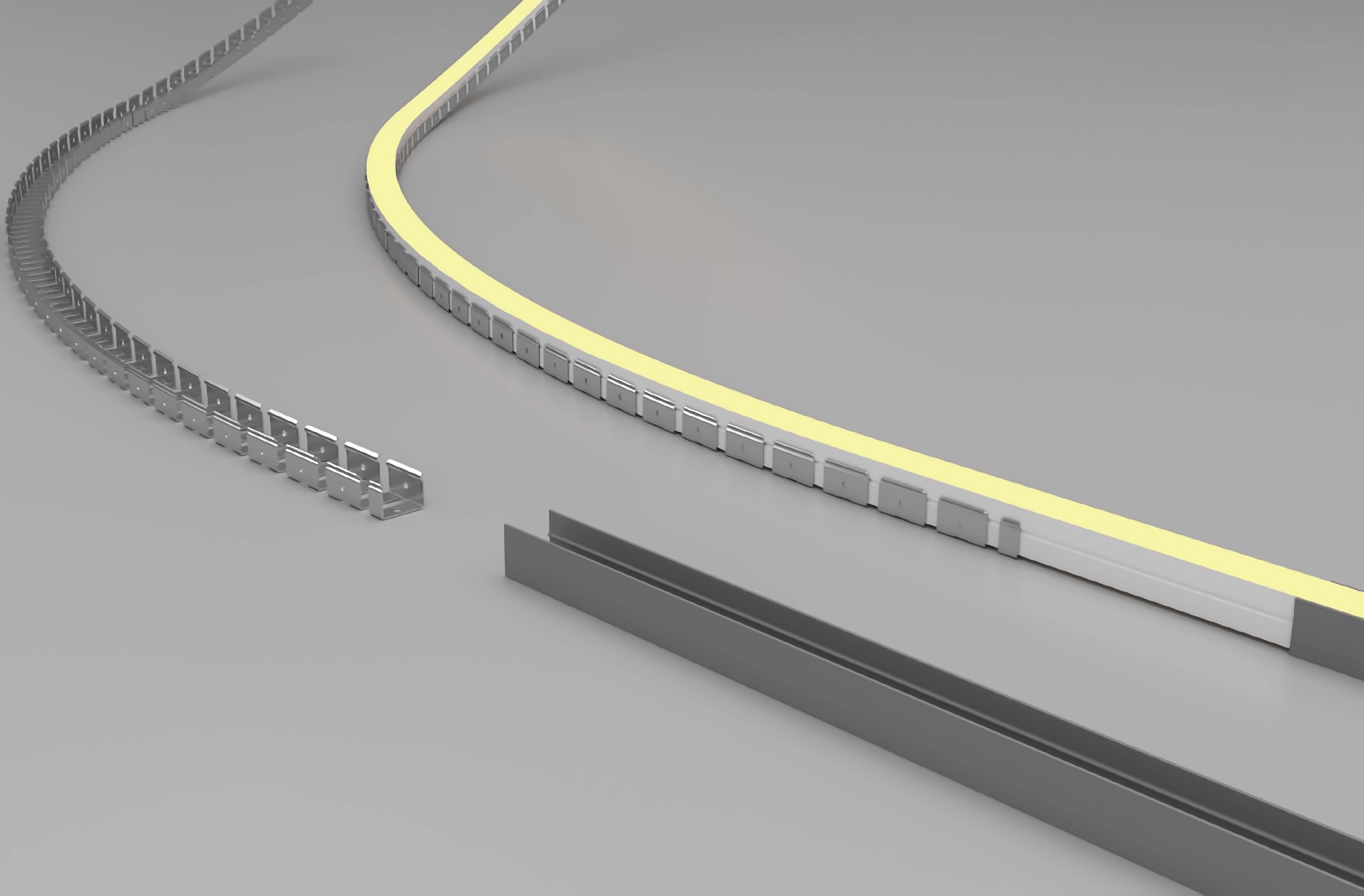
Aluminum linear lighting solutions: Help protect lighting components and create neat, integrated installations.
Quanhe Lighting Co., Ltd. specializes in high-end linear lighting products, including flexible LED strips, LED neon flex, flexible LED wall washers, and aluminum linear lighting solutions. This product range allows the company to serve different project requirements rather than focusing on a single type of LED strip.
When evaluating a supplier, check whether its products fit your actual installation conditions. A broad catalog is useful, but the ability to recommend the right product for a specific application matters more.
Brightness alone is not enough to determine whether an LED strip is suitable for a project. The lighting effect also depends on color consistency, light distribution, thermal management, and performance over time.
For projects such as hotels, museums, retail displays, and residential interiors, uneven brightness or visible color differences can affect the appearance of an entire space. Architectural lighting projects may also require specific beam characteristics or a controlled wall-washing effect.
Ask the manufacturer about the following technical details:
Luminous output and power consumption per meter
Color temperature and color consistency
Color rendering index (CRI)
LED density and visible light spots
PCB design and heat dissipation
Available dimming and control options
Expected operating conditions and service life
You should also request product datasheets and relevant test reports instead of relying only on promotional descriptions.
For example, a high-density LED strip may be suitable for a shallow aluminum profile where individual LED points would otherwise be visible. A flexible wall washer, on the other hand, needs an optical design appropriate for the target surface and installation distance.
A professional manufacturer should explain these differences clearly and help you select a product based on the intended lighting effect.
LED lighting technology continues to evolve. Improvements in materials, optical design, waterproof structures, and production processes can make a significant difference to product reliability and installation flexibility.
When choosing an LED strip light manufacturer, consider whether the company has an established research and development team or mainly assembles existing components.
Useful indicators include the proportion of employees involved in R&D, ongoing technical investment, patent activity, product development experience, and the ability to address specific engineering requirements.
Quanhe Lighting Co., Ltd. was established in 2015 and focuses on the development and manufacture of high-end linear lighting products. Approximately 15% of its employees work in R&D, and the company invests more than 8% of its annual resources in research and development. It has also applied for more than 20 patents.
These figures provide useful background when assessing its technical capabilities. More importantly, buyers should discuss how those capabilities apply to their projects.
For example, if a lighting installation requires a particular bending direction, a compact mounting structure, or a customized waterproof design, ask whether the manufacturer can develop or adapt a suitable solution. Confirm the design limitations, sample requirements, and validation process before moving into production.
Quality control is one of the most important factors when selecting an LED strip supplier. A product may perform well during an initial inspection but still develop problems after repeated use, exposure to moisture, or temperature changes.
A reliable manufacturer should have quality checks throughout the production process rather than relying only on a final visual inspection.
Look for four key stages.
Incoming material inspection
LED chips, PCBs, electronic components, adhesives, encapsulation materials, and other raw materials should be checked against defined specifications. Consistent incoming materials help reduce variations between production batches.
In-process inspection
Important production steps should be monitored, including soldering, assembly, encapsulation, and waterproofing. The manufacturer should have procedures for identifying defects and correcting production deviations.
Final product testing
Finished LED strips should undergo appropriate electrical, optical, and reliability checks. Depending on the product and its intended application, relevant tests may include aging tests, temperature cycling, salt spray testing, drop testing, and water ingress testing.
Batch traceability
The manufacturer should maintain records that connect finished products with their production batches and relevant material information. This makes it easier to investigate defects and identify the source of a problem if one occurs.
Quanhe Lighting emphasizes quality management aligned with ISO 9001 standards. Its stated procedures include incoming material inspection, in-process monitoring, final reliability testing, and batch traceability. Its testing program includes salt spray, temperature cycling, repeated drop, and IP68 immersion testing where applicable.
When assessing these claims, ask which tests apply to the specific product you intend to purchase and whether the manufacturer can provide corresponding records. Testing should match the product design and intended operating environment.
Waterproof performance deserves particular attention when LED strips will be installed outdoors, near water features, in humid environments, or on building exteriors.
An IP rating helps indicate the level of protection against solid objects and water under defined test conditions. However, a higher rating does not automatically mean that a product is suitable for every outdoor installation.
Before choosing a product, consider:
Whether the strip will be exposed to rain, splashing, or temporary immersion
The expected temperature range and exposure to sunlight
Whether salt, dust, or chemicals may be present
How the connectors and cable entry points will be protected
Whether the mounting surface allows water to drain properly
Whether the complete installation maintains the required protection level
For example, a strip installed beneath a sheltered indoor counter has different requirements from one installed on a coastal building facade. Mining environments may introduce additional concerns, including dust, vibration, and demanding operating conditions.
Quanhe Lighting develops lighting products for applications that include architectural facades, landscape lighting, commercial interiors, and other specialized environments. When discussing a project with the company, provide clear installation details so the appropriate product construction and protection requirements can be evaluated.
Do not assume that the rating of an LED strip automatically applies to the complete installation. Connectors, cut ends, joints, power supplies, and mounting accessories can all affect real-world protection.
Standard products are suitable for many projects, but some installations require customized dimensions, output levels, color temperatures, mounting profiles, or optical effects.
A capable manufacturer should be able to explain which specifications can be customized and which are fixed by the existing product design.
Before requesting a quotation or sample, prepare a basic technical brief containing:
The installation location and intended lighting effect
Required strip length and cutting intervals
Supply voltage and power requirements
Preferred color temperature and CRI
Dimming or lighting control requirements
Indoor or outdoor operating conditions
Mounting method and available installation space
This information allows the manufacturer to evaluate the application more accurately.
For instance, a hotel project may require a continuous line of warm white light concealed within a narrow ceiling profile. An outdoor advertising installation may prioritize a flexible neon appearance, weather resistance, and convenient mounting. These projects need different product configurations even though both use linear lighting.
Quanhe Lighting offers customized lighting solutions supported by its product development and manufacturing capabilities. When evaluating customization, ask for drawings, samples, confirmed specifications, and a clear approval process before mass production begins.
You can also explore LED strip lighting products and solutions to review product options and identify requirements for your project.
A manufacturer may offer suitable products but still struggle to meet the requirements of a large or time-sensitive project. Production capacity, process standardization, material availability, and internal scheduling all affect delivery performance.
Ask potential suppliers about their standard lead times, sample preparation process, production capacity, and ability to maintain consistent specifications across multiple batches.
It is also useful to establish whether the manufacturer can support phased deliveries when a project involves several buildings, floors, or installation locations.
Quanhe Lighting combines standardized production lines with specialized manufacturing experience in high-end LED linear lighting. Its emphasis on production efficiency and quality control is relevant to projects that require repeatable results.
Before confirming an order, agree on the approved sample, technical specifications, packaging requirements, inspection criteria, and delivery schedule. Written confirmation reduces misunderstandings between the design, purchasing, manufacturing, and installation teams.
Good technical communication can prevent problems before production begins. A manufacturer should respond clearly to questions about product selection, installation limitations, electrical compatibility, and testing requirements.
During the evaluation process, pay attention to whether the supplier asks relevant questions about your project. A supplier that immediately recommends a product without understanding the installation conditions may overlook important technical details.
Useful support includes product documentation, installation guidance, wiring information, troubleshooting assistance, and help investigating quality issues.
Quanhe Lighting places emphasis on product innovation, quality, and customer service. When considering the company or any other supplier, discuss how technical questions will be handled after delivery and what documentation is available to support installation and maintenance.
A clear communication process is particularly important for projects involving contractors, lighting designers, distributors, and end customers across different locations.
Product samples provide a practical way to confirm whether a manufacturer's claims match your requirements.
Whenever possible, test samples under conditions similar to the final installation. Evaluate brightness, color consistency, flexibility, mounting compatibility, heat generation, and the quality of connections.
For outdoor applications, review the relevant waterproofing and environmental test documentation. For architectural lighting, install the sample at the intended distance from the illuminated surface to assess the actual lighting effect.
If your project requires customized products, make sure the sample represents the proposed production specification. Changes to LED components, PCB construction, encapsulation, or accessories can affect performance.
Once the sample is approved, document the specifications and acceptance criteria. This gives both parties a reference for subsequent production batches.
Choosing an LED strip light manufacturer involves more than comparing product catalogs. The right partner should combine suitable product options, consistent lighting performance, technical expertise, reliable quality control, customization capabilities, and responsive service.
Quanhe Lighting Co., Ltd. brings experience in high-end linear lighting, ongoing R&D investment, standardized manufacturing, and a quality management approach that supports a range of architectural and decorative applications.
For your next lighting project, start by defining the installation conditions and required performance. Then compare manufacturers using product specifications, relevant test reports, sample evaluations, production capabilities, and technical support.
A careful selection process helps reduce installation risks, improve lighting consistency, and build a more reliable foundation for long-term project performance.
Please provide the following detailed information so that our business representatives can better understand your needs and get in touch with you as soon as possible.


 EN
EN
 English